AI automation services
AI automation services that take real work off your team
AI automation services put language models, software agents and workflow tools to work on the repetitive tasks your team handles every day: reading documents, routing requests, updating systems and drafting replies. Safock builds them for operations teams at small and mid-size firms in the US, the UK, the GCC and Pakistan. Each automation is scoped against one task you can measure, built into the software you already run, and set to wait for a person before it changes your data.
Free toolTake the 2-minute AI readiness scorecard/ The problem
What this fixes
- 01
Skilled people doing copy-and-paste work
Your operations staff re-key the same order, invoice or enquiry from email into the ERP, then into a spreadsheet, then into a report. Every hand-off adds a delay and another chance to get a number wrong.
- 02
Pilots that never reach production
A demo answers questions well in a meeting. Then it meets real documents, real permissions and real edge cases, and the project stalls because nobody planned for them.
- 03
Systems that don't share data
Your CRM, ERP, inbox and WhatsApp each hold part of the picture. Any AI you add without integrations can only see one of them, so its answers stay partial.
- 04
No way to prove it worked
If nobody recorded how long a task took before automation, nobody can say what the new system saved. Budgets get questioned and promising projects get dropped.
/ What we build
AI automation, built for your systems
- 01
Automation audit and roadmap
We map your team's recurring tasks, estimate the volume and effort behind each one, and rank them by value and risk so the first build targets work that pays back.
- 02
AI agents for multi-step tasks
Agents that read a request, look up the right records, decide the next step and draft the action for a person to approve before anything is written.
- 03
Workflow automation
Rule-based flows for the predictable parts of a process (triggers, approvals, reminders, scheduled reports), written in code or built in tools such as n8n.
- 04
Systems integration
Connections between your ERP, CRM, email, spreadsheets and messaging so a record is entered once and every system agrees on it.
- 05
Document and inbox processing
Data pulled from invoices, purchase orders, forms and emails into structured records. Items the system is unsure about go to a person for review.
- 06
WhatsApp and chat automation
Customer-facing agents on WhatsApp and your website that answer, book and follow up, then pass the conversation to your staff when a person is needed.
/ How it works
The detail behind it
What AI automation for business looks like in practice
Most useful automation is unglamorous. A purchase request arrives by email, and an agent reads it, matches the items to your catalog, checks the budget and drafts a purchase order for a manager to approve. A customer asks on WhatsApp where their order is, and the agent looks it up and replies in the customer's language. A weekly report that someone used to assemble by hand is built from live data every Monday morning.
Behind each of these sits a mix of three parts. Language models do the reading, classifying and drafting. Workflow logic runs the steps that should happen the same way every time. Integrations connect both to the systems where your data lives. We pick the simplest mix that does the job, and plenty of tasks turn out to need no AI model at all.
Where AI automation services pay back first
Good first candidates share a profile. The task happens often, follows a pattern a new hire could learn quickly, draws on data that already sits in a system, and costs you something real when it runs late or goes wrong.
Rare, high-judgement decisions and processes that change every month make poor starting points. We leave those for later, or keep them manual and give the person making the call better information instead.
- Order, invoice and purchase-order entry from email or PDF
- Repeat customer questions about order status, prices, stock and bookings
- Approval routing with reminders and an audit trail
- Staff questions answered from policies, SOPs and past records
- Scheduled reports pulled from your ERP, CRM and spreadsheets
How we scope, build and measure
Every engagement starts with discovery. We sit with the people who do the work, record how the task runs today, and agree on the number we intend to move, such as handling time, error rate, response time or backlog. You then receive a proposal that states scope, architecture, milestones, timeline and price up front.
Delivery runs in short sprints with a demo at the end of each, so you see working software from the first sprint and can redirect us early. Before launch we test against your real documents and edge cases, harden security, and log every automated action so it can be traced later.
After go-live we compare the agreed metric with the baseline from discovery. Support runs from 30 days to more than three months depending on the plan, and long-term maintenance is available. Your team receives documentation and training so they can run and adjust the system themselves.
Security, ownership and who stays in control
The name Safock comes from 'safe' and 'lock', and we treat security as a default from the first line of code. Each automation gets the minimum access it needs. Anything that writes to a system of record, moves money or messages customers in bulk can be set to wait for a person's approval.
Mavick, our AI operating system for textile factories, runs on that rule. It reads ERP data live and changes nothing until someone approves. An approved action runs exactly once, and a declined one never runs. You own the code and the documentation for everything we build for you, and we use standard tools so your own developers, or another vendor, can maintain it later.
/ How we work
From first call to a system your team runs
- 01
Discovery
We start with your workflows, goals, and constraints, so we solve the problem you actually have.
- 02
Proposal & architecture
A clear scope, timeline, milestones, and system design, with honest pricing before any build starts.
- 03
Agile delivery
Short sprints with regular demos, so you see working software early and can steer as it takes shape.
- 04
Launch
Deployment, optimization, and security hardening are included. Nothing ships unless it is safe and secure.
- 05
Support & growth
30 days to 3+ months of support after launch, with long-term maintenance available as you grow.
- 06
Your team, enabled
Documentation and training so your people can operate and extend the system on their own.
/ Proof
Work that shows how we build
- mavick.si
 Our product / Textile manufacturing
Mavick
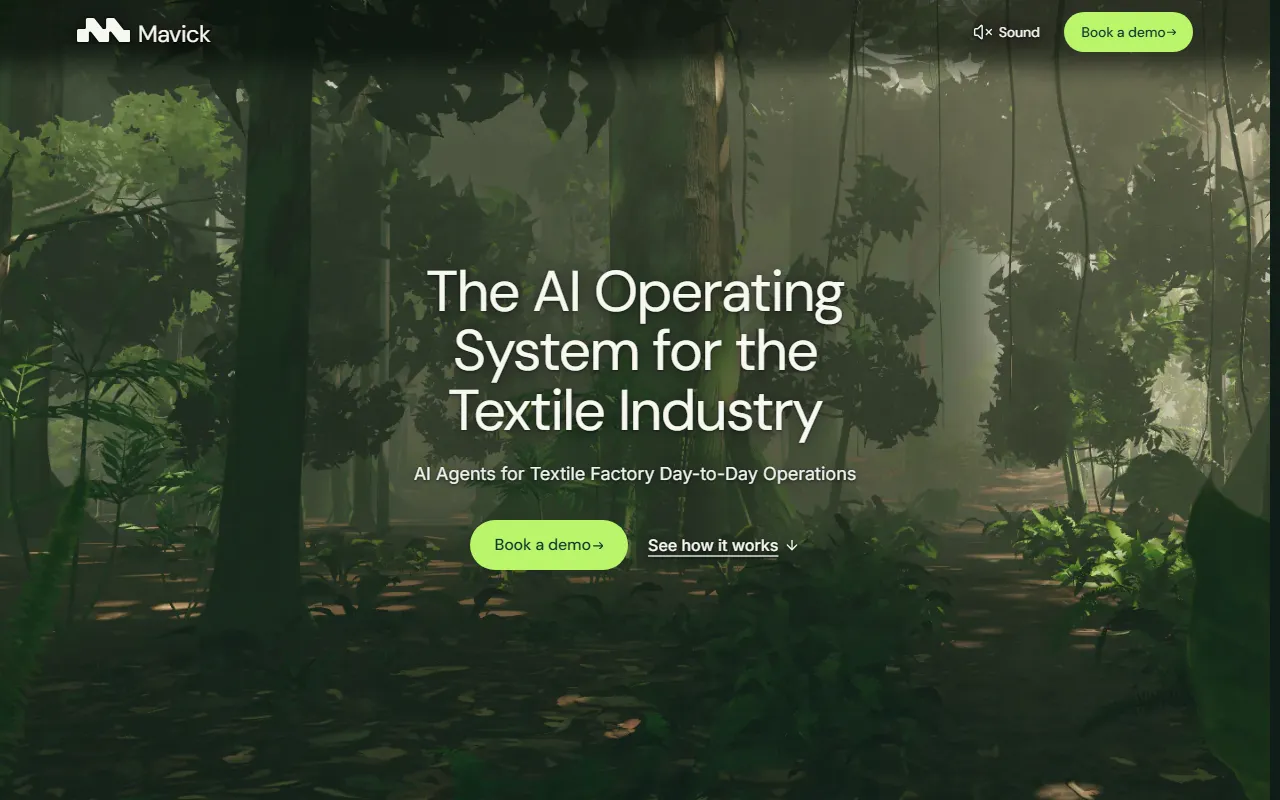
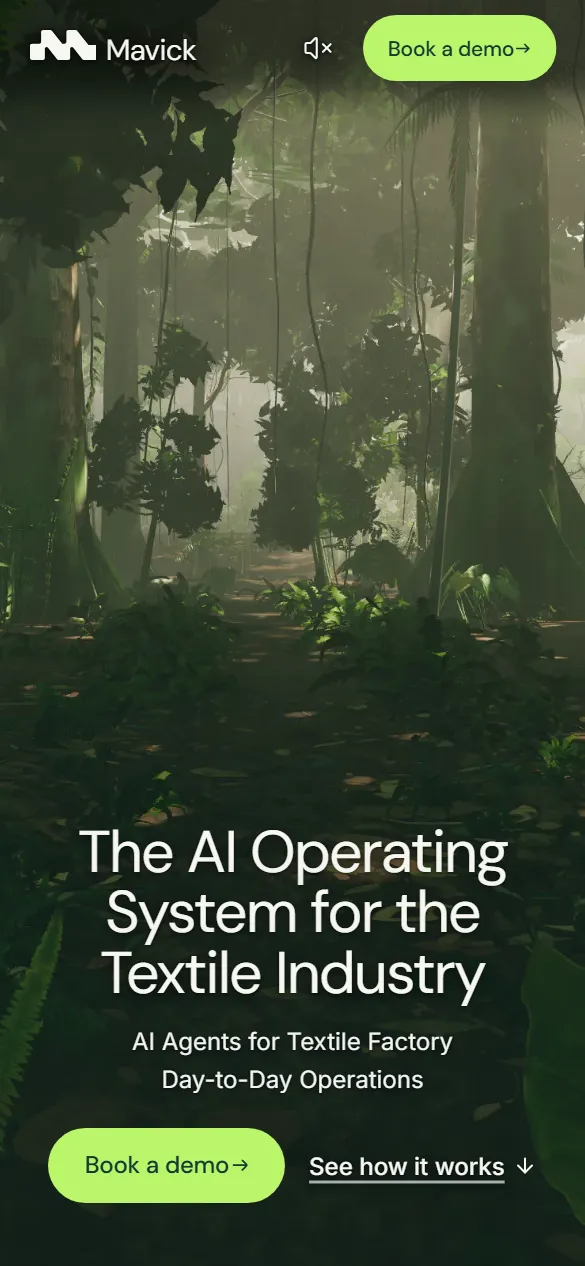
Our AI operating system for textile factories: one agent per department, cited answers, and human approval before any change to a live system.
- Department-scoped AI agents
- Human approval before writes
- Answers with citations
32Department templates
- usebollard.com
 Our product / Procurement and inventory for multi-site operators
Bollard
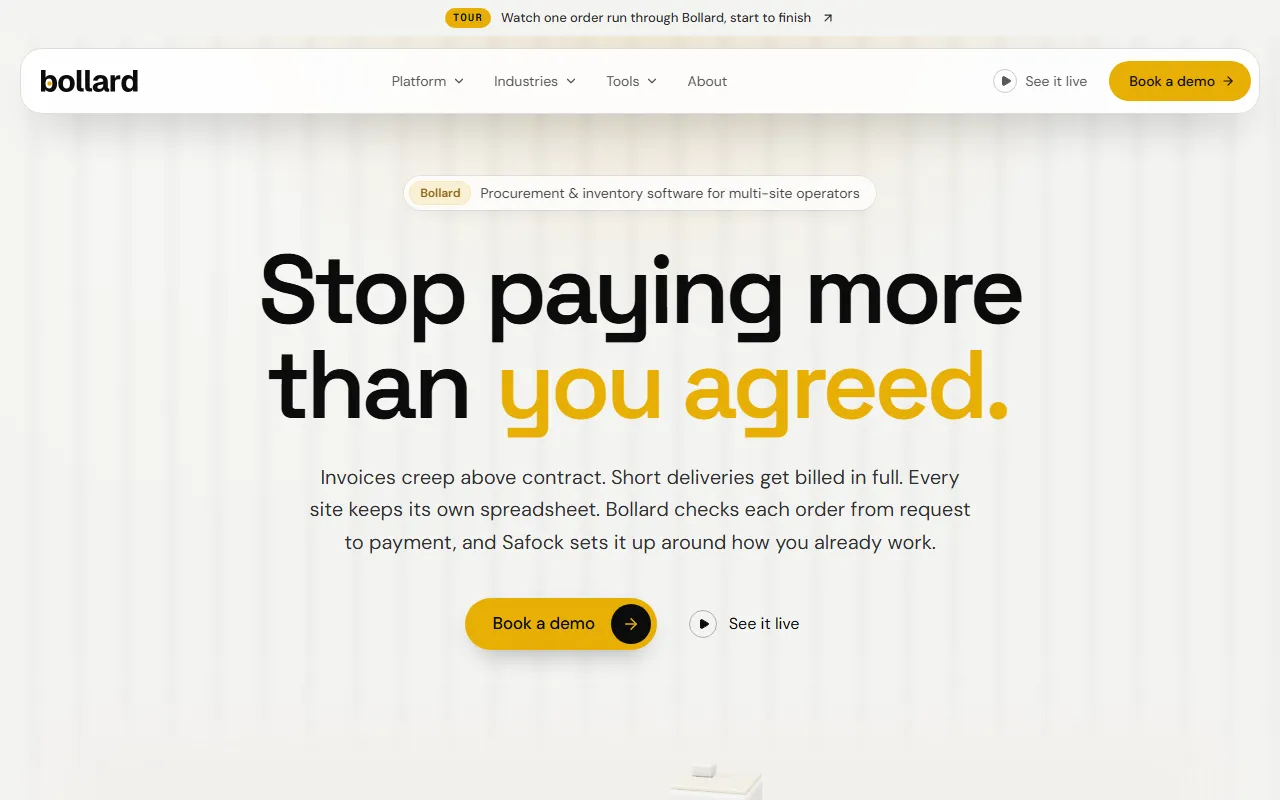
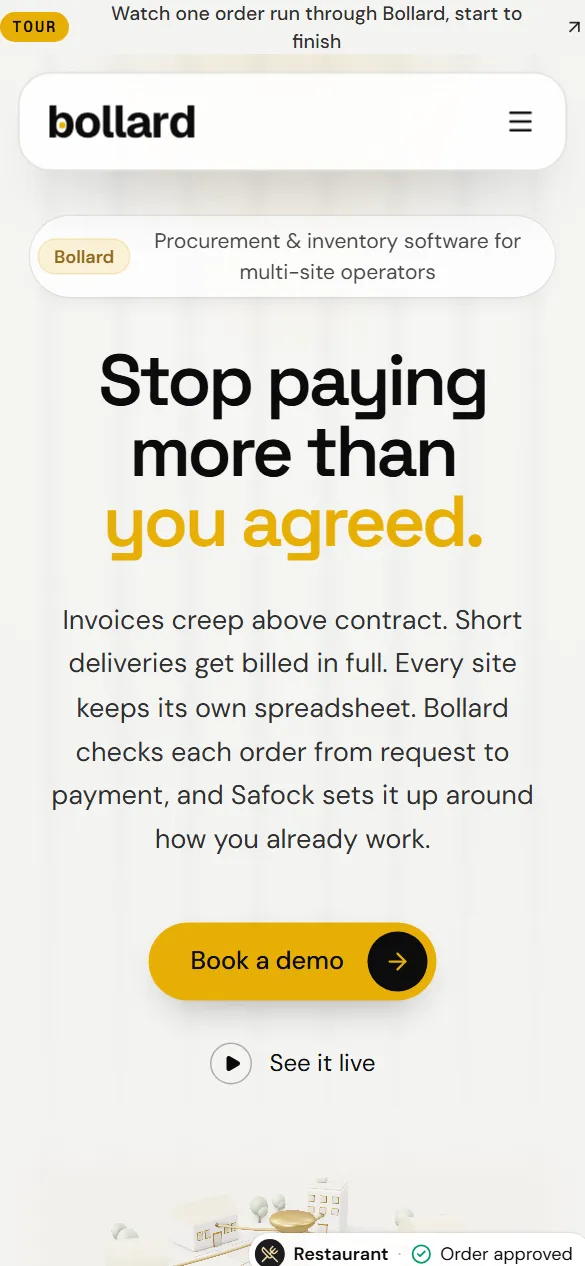
Our own procurement and inventory software for multi-site operators: seven modules, controls enforced in the database, and an append-only audit trail.
- AI assistant on live data
- Database-enforced controls
- Append-only audit trail
14 daysPath to a first live site
- WhatsApp-Me
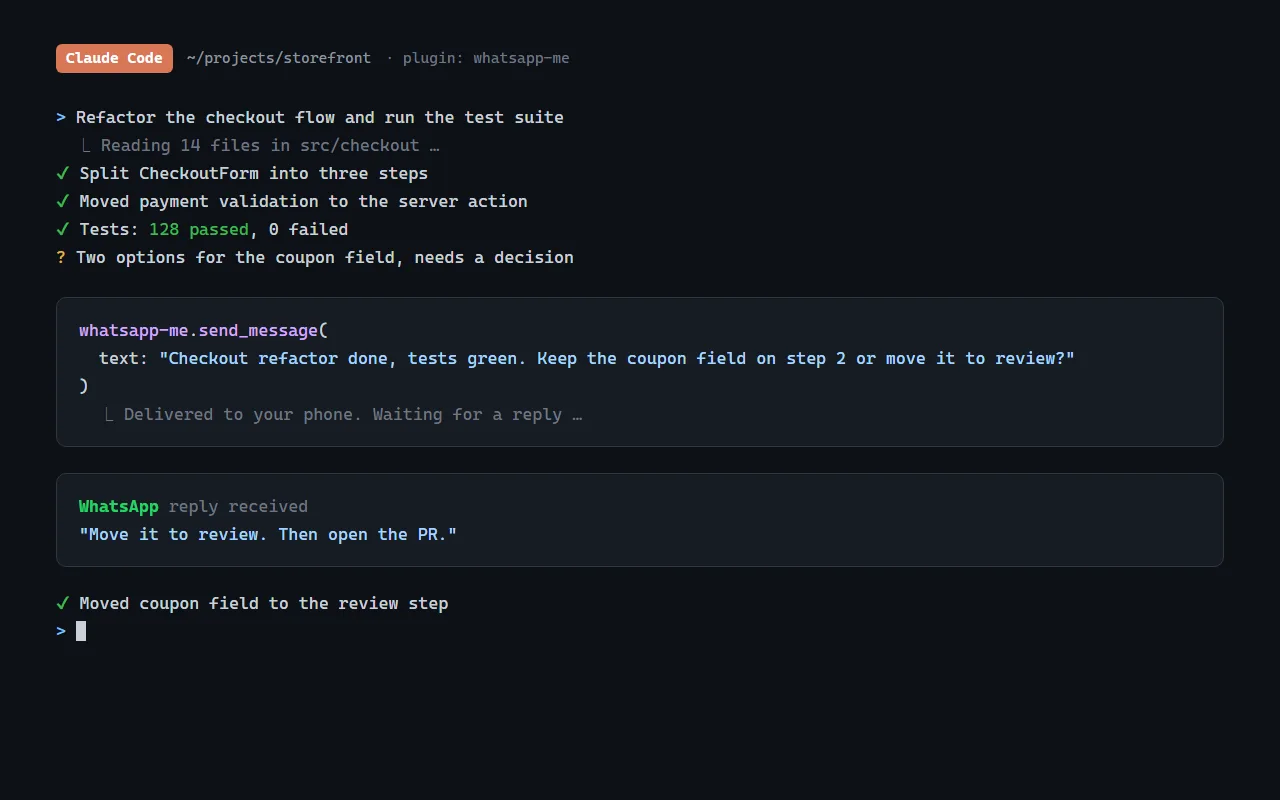
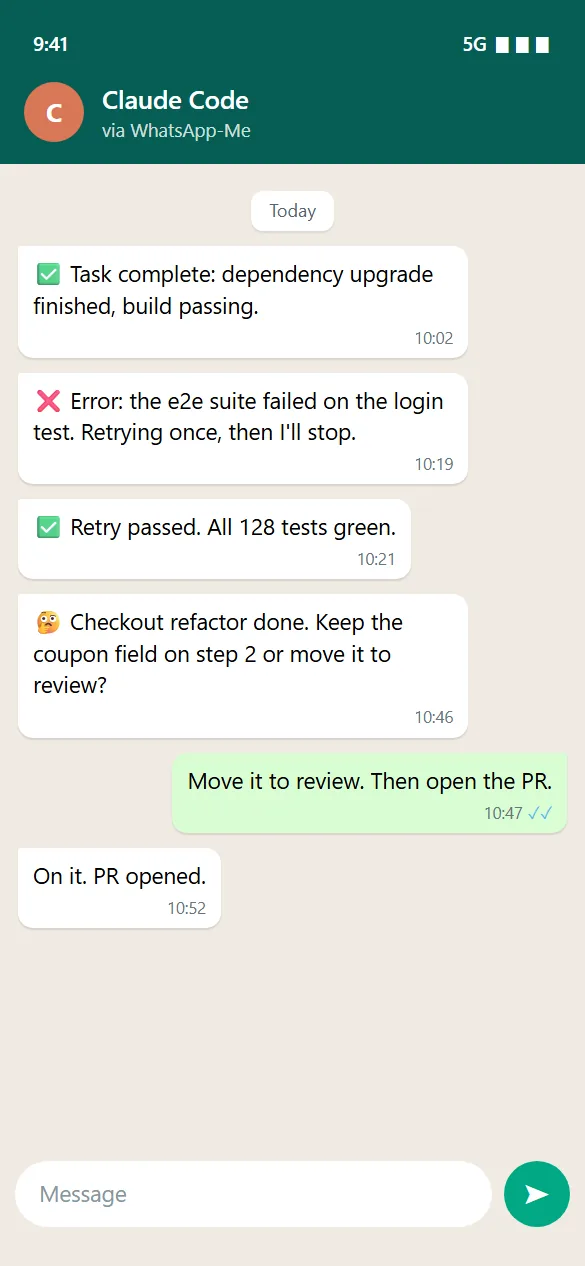 Our product / Developer tools for AI coding agents
WhatsApp-Me
Our open-source Claude Code plugin: task alerts and questions arrive on WhatsApp, and your replies go straight back to the agent.
- Two-way WhatsApp messaging
- WhatsApp Cloud API
- MCP server tools
MITOpen-source license
- dyorai.co
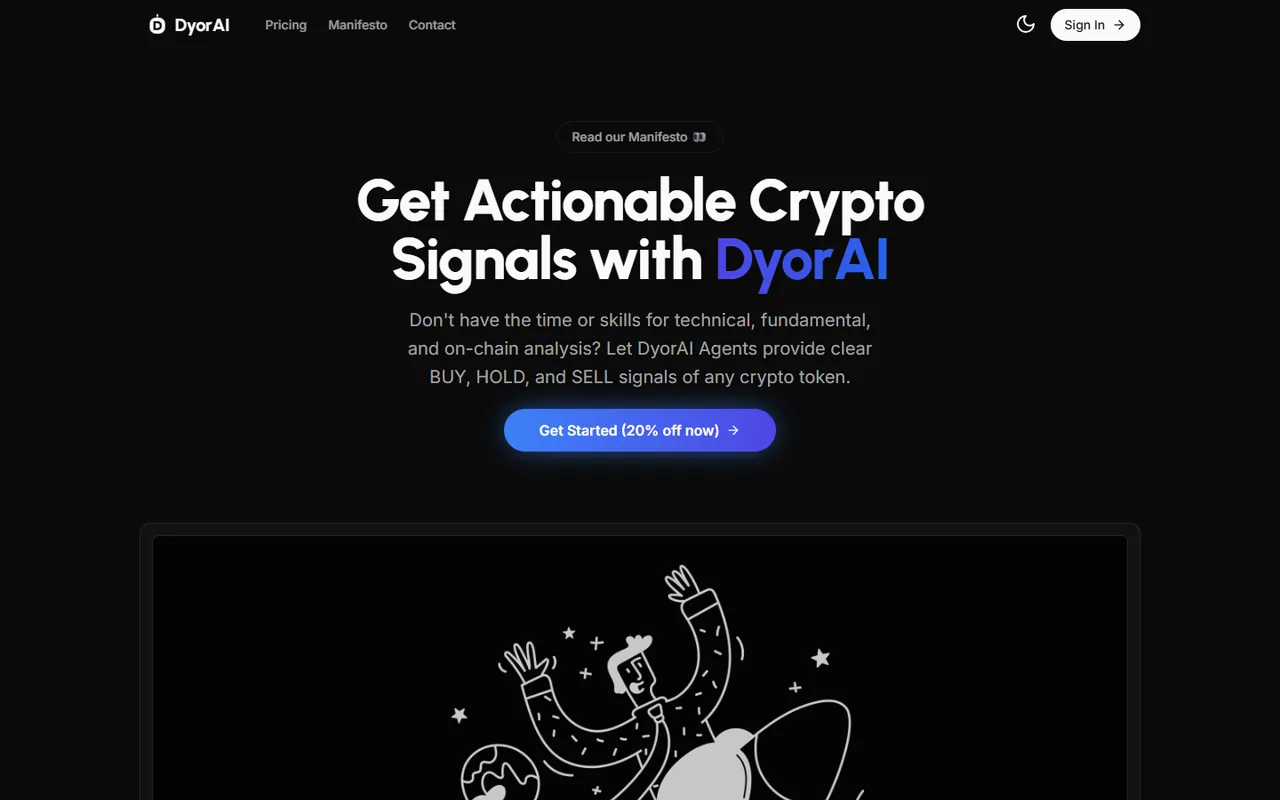
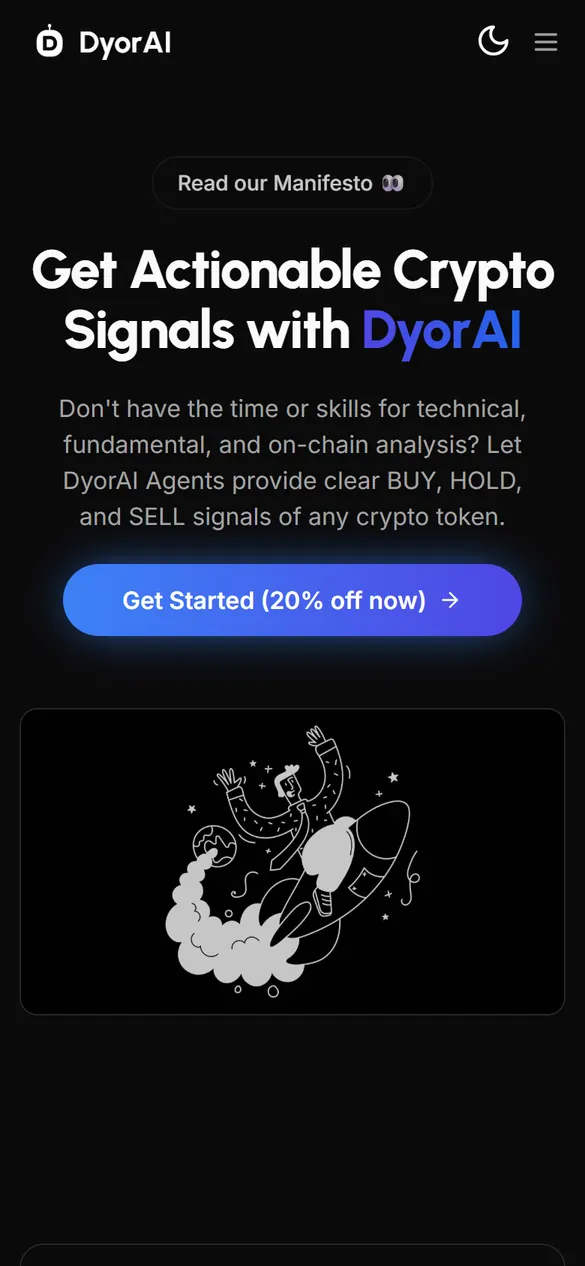 Client work / Crypto trading and market research
DyorAI
A crypto signals SaaS built and run by Safock: AI agents combine three kinds of analysis into one buy, hold or sell call.
- AI signal agents
- Real-time data feeds
- Three-layer market analysis
WeeklyMarket reports emailed to subscribers
- In-house build10QuestionsAI strategy for businesses of any sizeIn-house build / AI strategy for businesses of any size
AI readiness scorecard
Our free assessment: ten questions, a score out of 100 across five areas, and the first fix for the weakest one.
- Scoring across five areas
- Weakest-area first fix
- Answers stay in browser
10Questions
- In-house build17Working nodes across the three templatesWorkflow automation for small businessesIn-house build / Workflow automation for small businesses
n8n workflow templates
Free n8n templates we built: website leads to Sheets and WhatsApp, overdue invoice reminders, and AI email triage with Claude.
- AI email triage
- Webhook lead capture
- Invoice reminder automation
17Working nodes across the three templates
/ FAQ
Questions buyers ask us
How much do AI automation services cost?
Cost depends on how many tasks we automate, how many systems we connect, how messy the incoming data is, and how much approval and audit logic you need. Model usage and hosting add running costs that rise with volume. After discovery you receive a fixed price in the proposal, so you know the build cost before any work starts.
How soon will we see something working?
You see working software at the end of the first sprint, and every sprint after that ends in a demo. The full timeline depends on scope and integrations, and we commit to it with milestones in the proposal. Starting with one well-chosen task reaches production sooner than trying to automate a whole department at once.
Will AI automation replace our staff?
In most projects it removes the repetitive part of a role, so people spend more of their day on exceptions, customers and decisions. We design every automation to pass difficult cases to a person, and we train your team to supervise and adjust it. How you use the hours it frees up is your call.
How do you handle our data and security?
Each automation gets only the access it needs, every action is logged, and sensitive steps wait for approval. We can host on your cloud account or your own servers, and we agree with you which AI model providers may process your data before we build anything. Security hardening is part of every launch.
Does every task need an AI model, or will simple rules do?
Many tasks need only rules. If a step follows the same logic every time, such as sending any request over a set amount to the finance manager, a plain workflow is cheaper to run and easier to audit. We add a language model where the input is unstructured: free-text emails, PDFs, scanned forms or chat messages a rule cannot read. Most of our builds combine the two, and discovery settles the split step by step.
How will we know the automation paid off?
You compare it with a baseline taken before the build. In discovery we record how long the task takes per run, how many runs happen each month and how often mistakes occur. After launch, the action log shows the real volume, and the review queue shows how much still needs a person. The gap between the two is the time your team gets back, measured on your own numbers instead of a vendor estimate.
/ Related
Often paired with
- /01AI agent development
AI agents
Custom AI agents that read your data, use your tools, and ask a person before they change anything.
- Task agents
- Department agents
- Retrieval over company data
- /02Workflow automation services
Workflow automation
We map your approvals, invoicing, onboarding and reporting, then automate them with low-code tools or custom code you own.
- Approval workflows
- Invoicing and payment follow-up
- Employee and client onboarding
- /03Forward deployed engineering
Forward deployed engineering
Safock engineers join your team on-site or remote, ship AI and automation into daily operations, then hand over and train.
- On-the-ground discovery
- Embedded build sprints
- AI agents and automation in production
- /04WhatsApp AI agent
WhatsApp AI agent
WhatsApp AI agents on the official Business Platform that answer, book and follow up in Arabic, English and Urdu.
- Customer service agent
- Appointment booking
- Order status and follow-up
/ Next step
Tell us which task eats most of your team's week
Tell us what you are working on. You will speak with a founder, and you will leave the call with a clear next step, even if that step is not us.
Prefer writing? Send us a brief and a founder will reply.