AI agent development
Custom AI agent development for work that spans your systems
AI agent development services design, build and test software agents that use a language model to plan steps, call tools and act on your systems until a task is done. Safock builds them for operations, finance and support teams whose daily work spans an ERP, a CRM and an inbox. Each agent answers from your data with citations, and any change it proposes waits for a person to approve it.
/ The problem
What this fixes
- 01
Assistants that answer but can't act
A chat assistant can explain your returns policy. It can't open the order, check stock, raise the credit note and update the CRM, so your staff still do all of that by hand.
- 02
Answers nobody can check
When an assistant gives a figure without showing where it came from, managers stop trusting it and go back to opening the source themselves.
- 03
Fear of an AI writing to the ERP
Letting a model change purchase orders, prices or customer records without a check is a real risk, and that worry stops many agent projects before they start.
- 04
Running costs that surprise you
An agent may call a model many times to finish one task. Without step limits and monitoring, a busy month produces a bill nobody planned for.
/ What we build
AI agents, built for your systems
- 01
Task agents
Agents built around one job, such as triaging support tickets, preparing purchase orders or reconciling a supplier statement, each with a clear start, finish and test for success.
- 02
Department agents
One agent per team (sales, procurement, production, finance) that answers from that team's data and cites its sources. Mavick runs 32 department templates on this pattern.
- 03
Retrieval over company data
Search across documents, email, spreadsheets and database records, so the agent answers from your information and links back to where each fact came from.
- 04
Tool and API actions
A defined set of actions the agent may call, like looking up an order, drafting an invoice, sending a template message or booking a slot. Each action has its own permissions and input checks.
- 05
Human approval workflows
Approval screens and notifications so a person reviews every proposed change before it reaches your ERP, your CRM or a customer.
- 06
Evaluation and monitoring
Test sets built from your real cases, plus action logs, cost tracking and alerts once the agent is live.
/ How it works
The detail behind it
What an AI agent is, and where a chatbot stops
A chatbot takes a question and returns text. An agent takes a goal, works out the steps and uses tools to carry them out. Ask an agent to 'chase the suppliers whose deliveries are late this week' and it can query the ERP for open purchase orders, compare due dates, draft a message to each supplier and queue the messages for your approval.
That reach is what makes agents useful, and it is also what makes them risky. Every agent we build has a short list of allowed tools, credentials scoped to what those tools need, and a cap on how many steps it may take before it stops and asks a person.
How our AI agent development services work
We start by writing down the task the way your best employee does it: what they look at, which systems they open, what they decide, and when they ask someone else. That write-up becomes the agent's specification and its first set of test cases.
Next we build retrieval over the data the agent needs, define each tool as a typed function with permission checks, and add approval to anything that writes. You see a working agent on sample data in the first sprint, and it moves closer to your live systems with each sprint after that.
Before launch we run the agent against a test set drawn from real cases, including the awkward ones. We measure how often it picks the right action and how often it correctly hands off to a person. Those tests stay in the codebase and run again whenever the prompts, the model or the tools change.
- Task specification and test cases taken from your real work
- Retrieval over documents, email and databases, with source citations
- Typed tools with permission checks and input validation
- An approval queue for every write to a system of record
- An evaluation suite that reruns on every change
Agents we run in production, and how they ask before they act
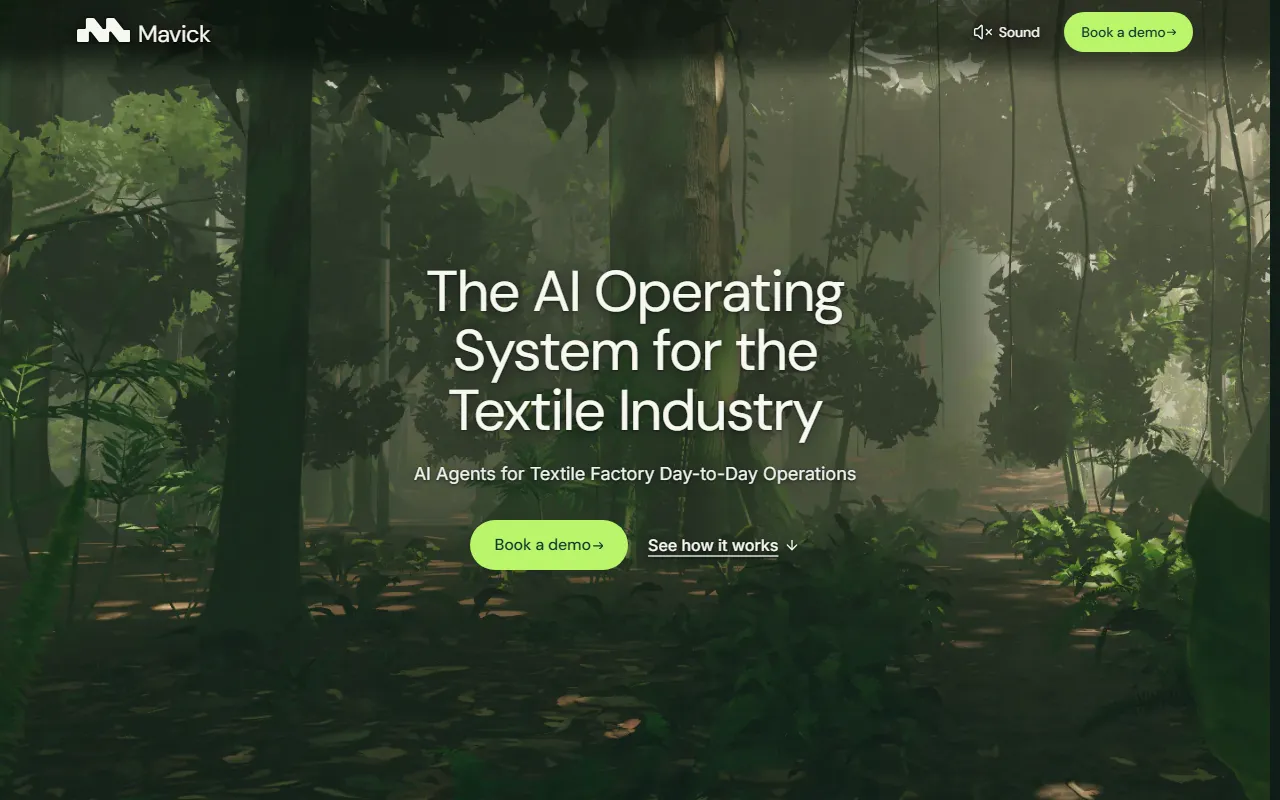
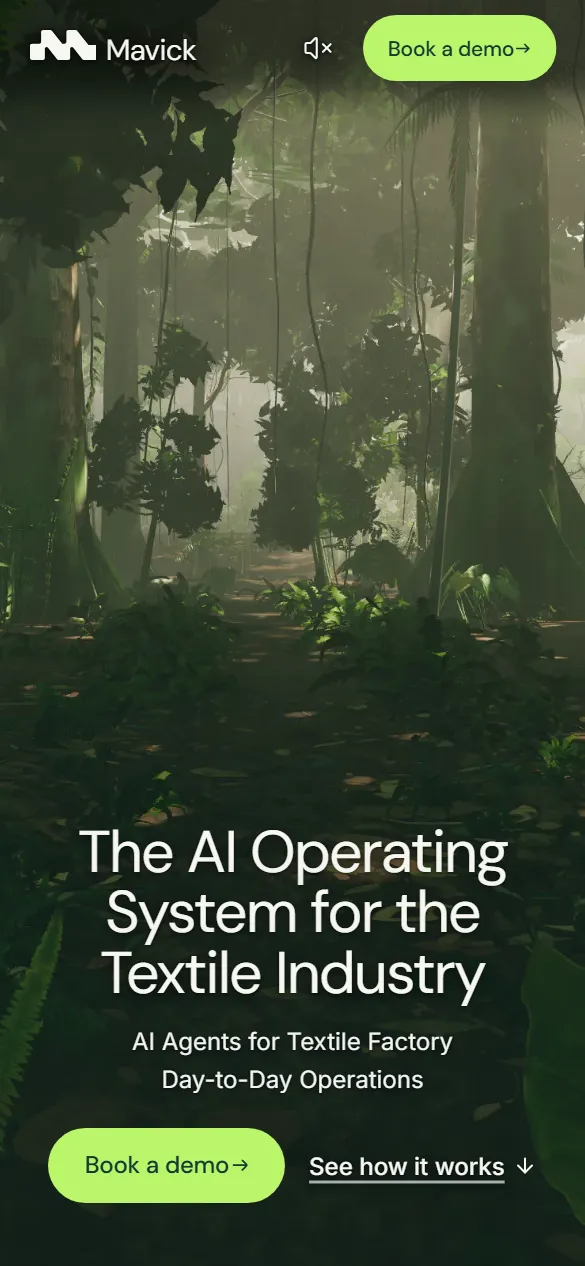
Mavick, our AI operating system for textile factories, runs this design in production. A factory picks from 32 department templates, and each department gets one agent that answers with citations from that department's data. When the next step would write to a sheet, send an email or push data into the ERP, the run stops on an approval card. An approved action runs exactly once, and a declined one never runs.
Mavick reads seven ERPs live, including SAP Business One, Oracle NetSuite and Microsoft Dynamics 365, and it is in live beta. We bring the same approval pattern to custom agents in other industries.
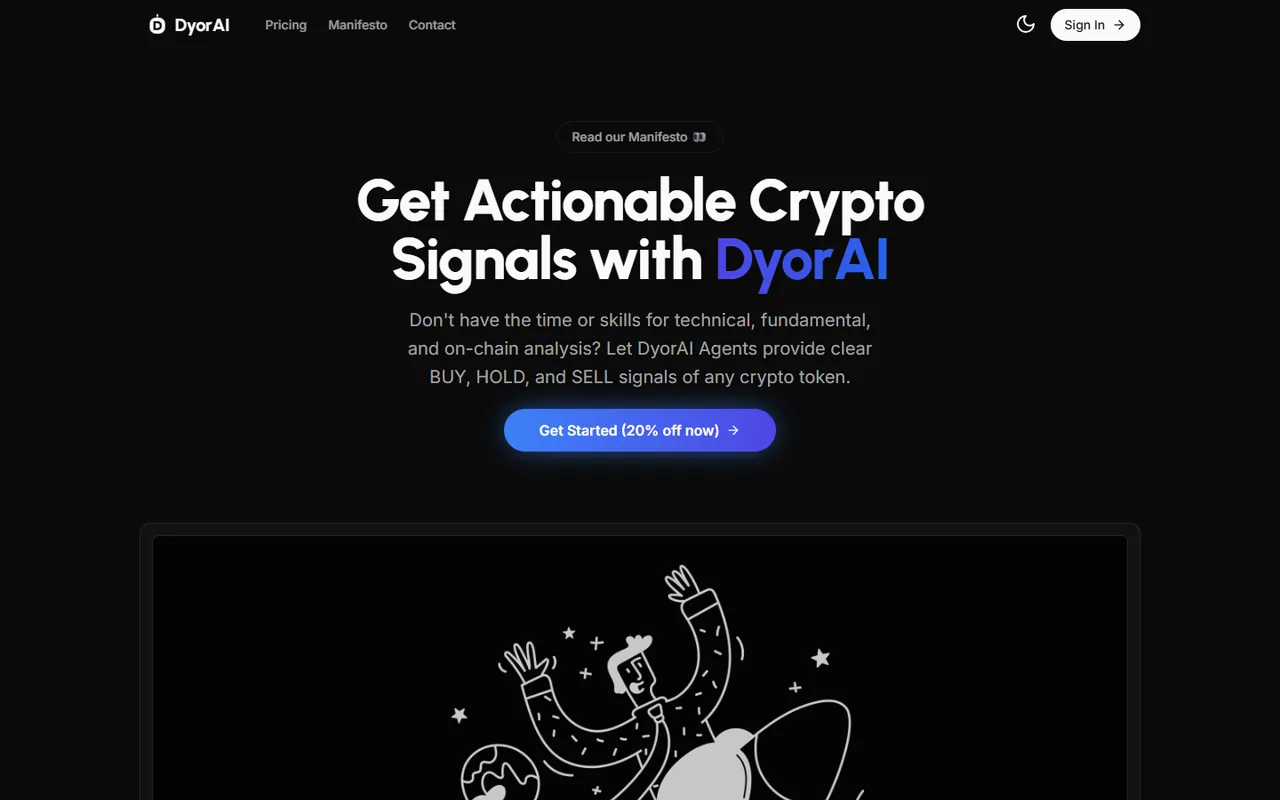
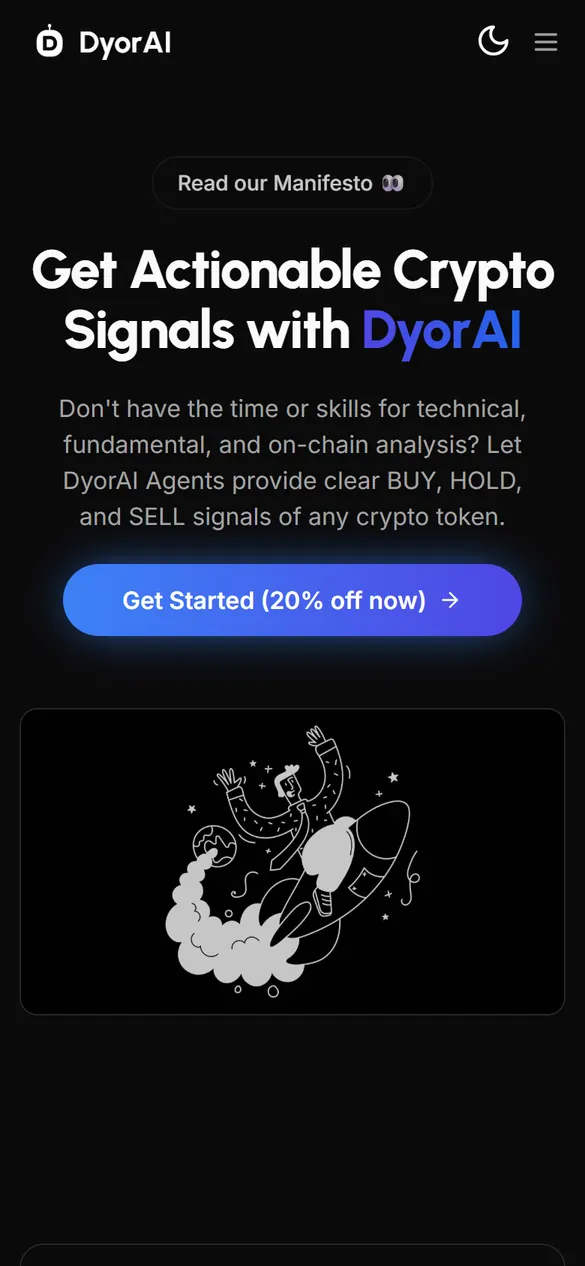
DyorAI shows the pattern outside manufacturing. Safock designed, built and still manages this subscription platform, where AI agents combine technical, fundamental and on-chain analysis into one buy, hold or sell call for any crypto token, and subscribers receive a weekly market report by email.
What drives the cost of a custom AI agent
Build cost depends on how many tools the agent can use, how many systems it connects to, how clean and reachable your data is, and how much approval and audit logic you need. An agent that answers questions from one document library is a much smaller project than one that reads three systems and writes to two.
Running cost depends on volume, the model you choose and how much context each step sends. We keep it down by using smaller models for simple steps, caching repeated lookups and capping steps per task. Running cost is part of the discovery conversation, and the build itself gets a fixed price in the proposal.
/ How we work
From first call to a system your team runs
- 01
Discovery
We start with your workflows, goals, and constraints, so we solve the problem you actually have.
- 02
Proposal & architecture
A clear scope, timeline, milestones, and system design, with honest pricing before any build starts.
- 03
Agile delivery
Short sprints with regular demos, so you see working software early and can steer as it takes shape.
- 04
Launch
Deployment, optimization, and security hardening are included. Nothing ships unless it is safe and secure.
- 05
Support & growth
30 days to 3+ months of support after launch, with long-term maintenance available as you grow.
- 06
Your team, enabled
Documentation and training so your people can operate and extend the system on their own.
/ Proof
Work that shows how we build
- mavick.si
 Our product / Textile manufacturing
Mavick
Our AI operating system for textile factories: one agent per department, cited answers, and human approval before any change to a live system.
- Department-scoped AI agents
- Human approval before writes
- Answers with citations
32Department templates
- dyorai.co
 Client work / Crypto trading and market research
DyorAI
A crypto signals SaaS built and run by Safock: AI agents combine three kinds of analysis into one buy, hold or sell call.
- AI signal agents
- Real-time data feeds
- Three-layer market analysis
WeeklyMarket reports emailed to subscribers
- usebollard.com
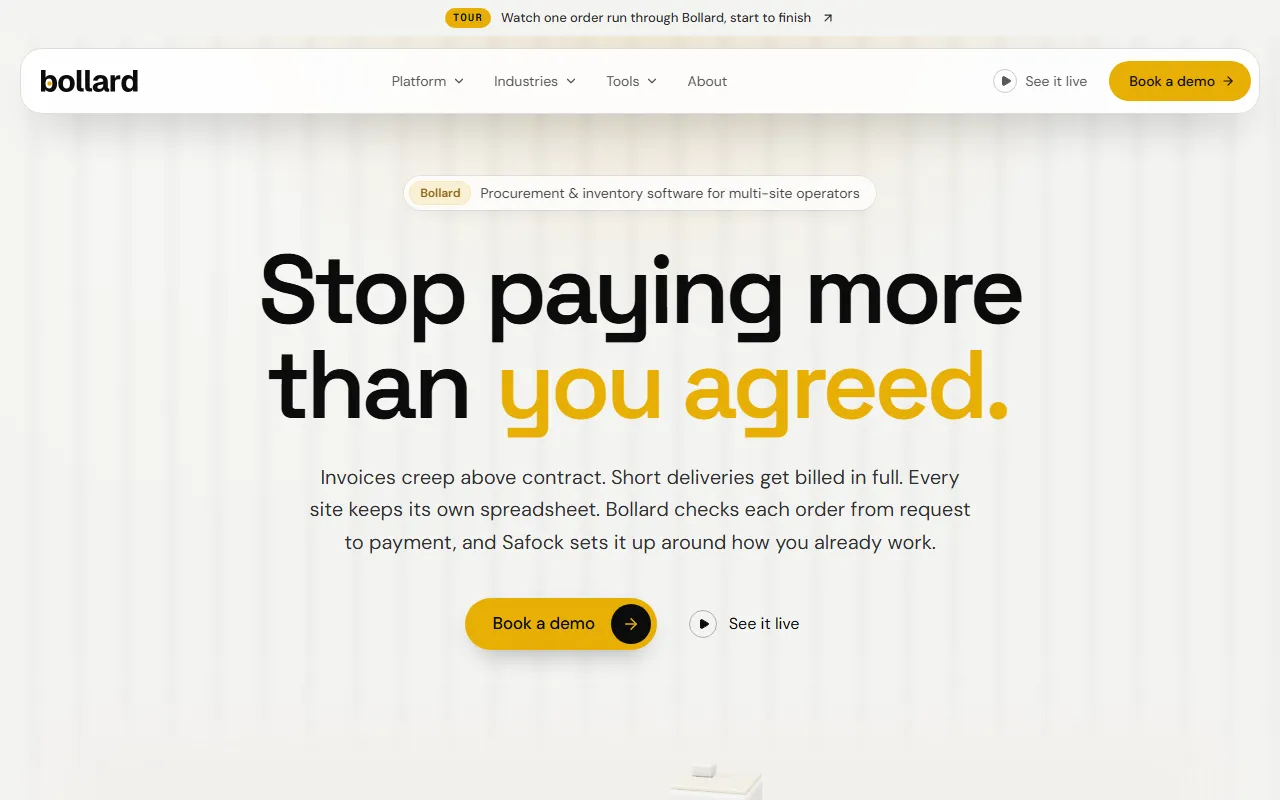
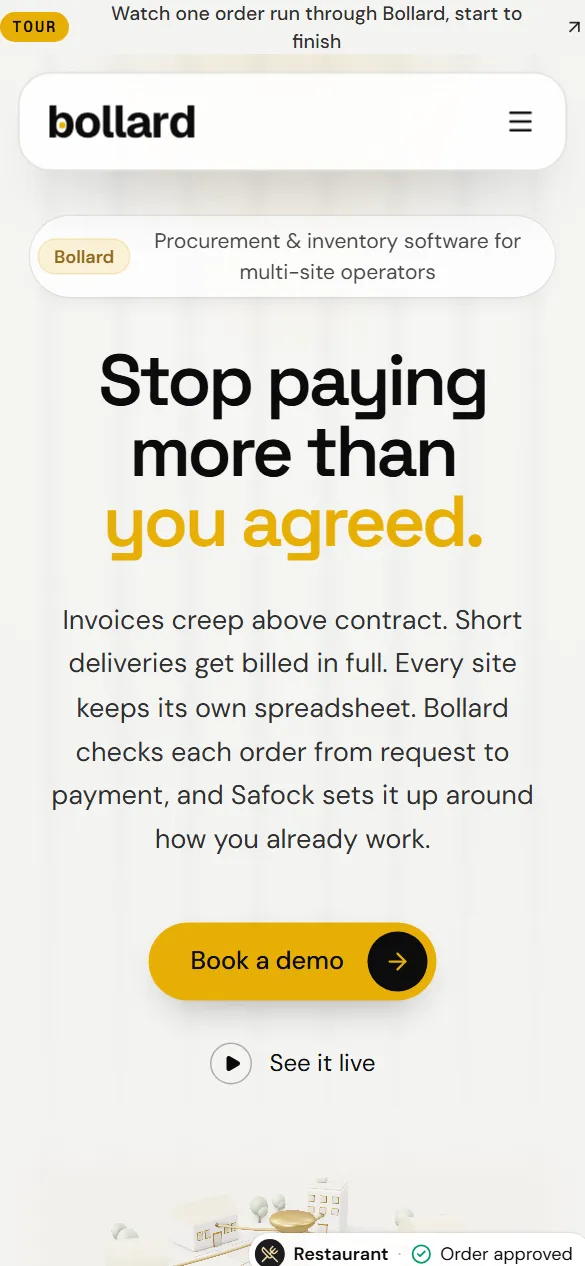 Our product / Procurement and inventory for multi-site operators
Bollard
Our own procurement and inventory software for multi-site operators: seven modules, controls enforced in the database, and an append-only audit trail.
- AI assistant on live data
- Database-enforced controls
- Append-only audit trail
14 daysPath to a first live site
- WhatsApp-Me
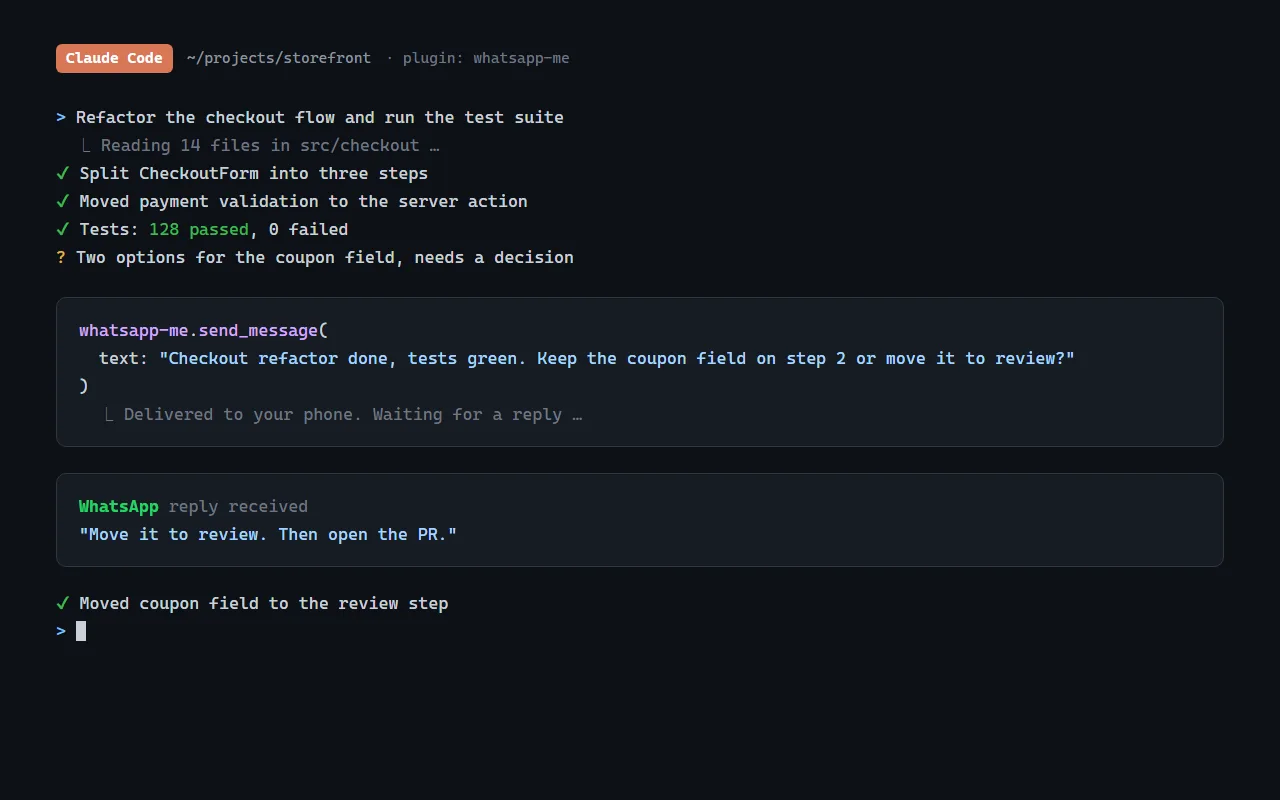
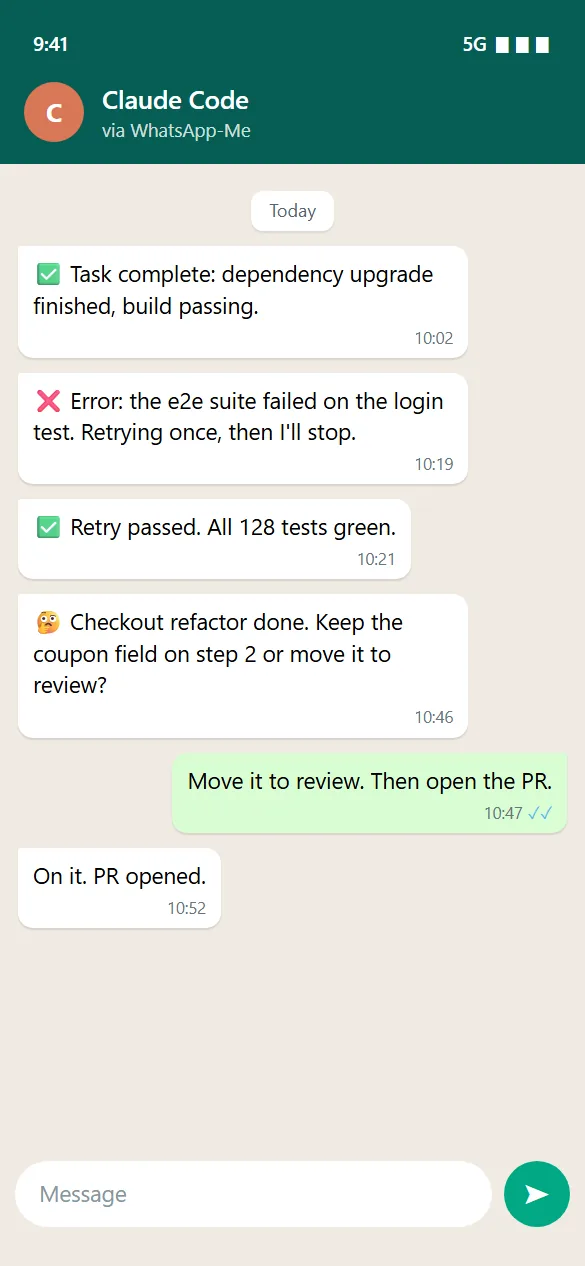 Our product / Developer tools for AI coding agents
WhatsApp-Me
Our open-source Claude Code plugin: task alerts and questions arrive on WhatsApp, and your replies go straight back to the agent.
- Two-way WhatsApp messaging
- WhatsApp Cloud API
- MCP server tools
MITOpen-source license
- eduhub.dev
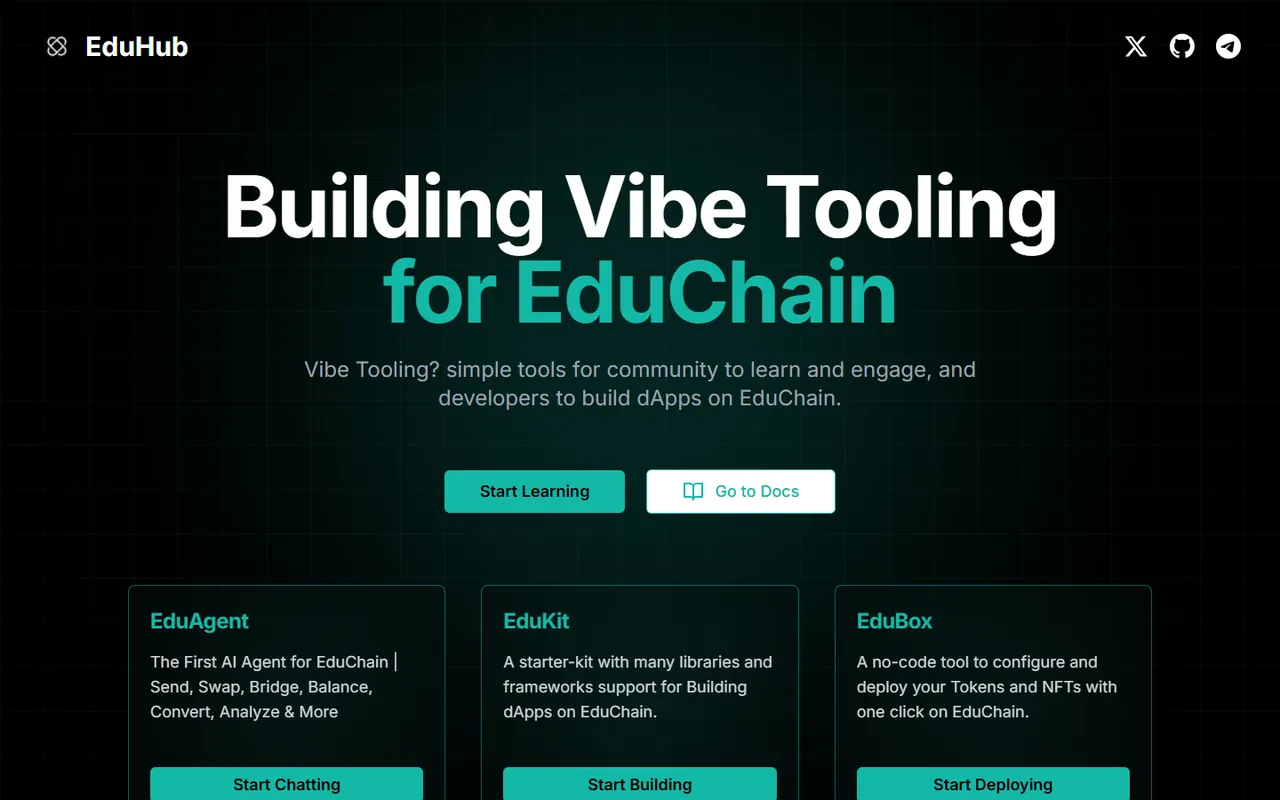
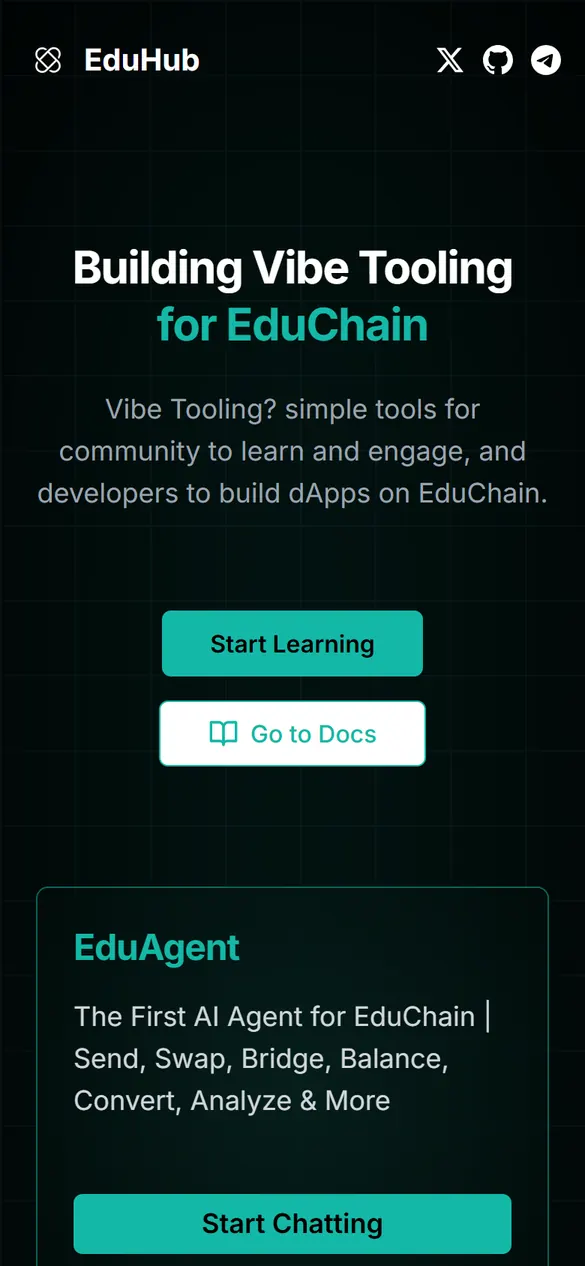 Client work / Web3 developer tooling
EduHub
A developer platform for EduChain, built and run by Safock: an AI agent, a dApp starter kit and a no-code token deployer.
- On-chain AI agent
- No-code token deployer
- npm dApp starter kit
10M+Mainnet transactions
/ FAQ
Questions buyers ask us
What is the difference between an AI agent and a chatbot?
A chatbot answers in text. An agent can also take actions, such as querying a database, creating a draft record, sending a message or booking an appointment, and it chooses the steps itself within limits you set. Many projects pair the two, with a conversational front end and an agent behind it that does the work once a person approves.
Can an AI agent change data in our ERP?
It can, and we design it to ask first. By default our agents read live data and prepare changes as drafts that a person approves before anything is written. Mavick works this way with ERPs such as SAP Business One, Odoo and Oracle NetSuite. You decide which actions, if any, may run without approval.
Which AI models do you use?
We choose per task. Commercial models from providers such as OpenAI, Anthropic and Google suit most reasoning and drafting work, and open-weight models can run on your own servers when data has to stay in-house. We keep the model behind an interface in the code, so you can switch providers later without rebuilding the agent.
How do you stop an agent from taking the wrong action?
An agent can call only the tools on its list, and each tool checks its inputs and the caller's permissions before it runs. A step cap stops a task that starts to loop, and every write to a system of record waits in an approval queue. Before launch we score the agent on real cases for picking the right action and handing off correctly. Any mistake found in production becomes a new test case.
How long does it take to build an AI agent?
You see a working agent on sample data in the first sprint. Time to production depends on the number of systems involved, the state of your data and how much approval logic you need. After discovery we give you a timeline with milestones and a fixed price, and every sprint ends in a demo.
Who owns the agent, its prompts and its tests?
You own the source code, prompts, test sets and documentation. Accounts with model providers can be opened in your company's name so usage is billed to you directly. Nothing in the build locks you to Safock, and your team gets training so they can maintain and extend the agent.
/ Related
Often paired with
- /01AI automation services
AI automation
Find the work worth automating, then build agents, workflows and integrations that do it inside your existing systems.
- Automation audit and roadmap
- AI agents for multi-step tasks
- Workflow automation
- /02AI chatbot development
AI chatbot development
Custom AI chatbots for your website, WhatsApp, Slack or Teams that answer from your documents and show their sources.
- Website support chatbot
- Internal knowledge assistant
- WhatsApp chatbot
- /03WhatsApp AI agent
WhatsApp AI agent
WhatsApp AI agents on the official Business Platform that answer, book and follow up in Arabic, English and Urdu.
- Customer service agent
- Appointment booking
- Order status and follow-up
- /04Systems integration and API development
Systems integration
We connect payments, Google Workspace, Microsoft 365, ERPs and CRMs with APIs and webhooks that stay correct under real traffic.
- Payment gateway integration
- Google Workspace and Microsoft 365
- ERP and CRM connections
/ Next step
Describe the task you want an agent to take over
Tell us what you are working on. You will speak with a founder, and you will leave the call with a clear next step, even if that step is not us.
Prefer writing? Send us a brief and a founder will reply.