Web and app development
Web and mobile app development for sites and apps that load fast and get found
Safock is a web and mobile app development company that builds customer-facing websites, web applications and mobile apps, with the web side on Next.js, TypeScript and PostgreSQL. We build for businesses whose site or app has to load fast on mobile networks, rank on Google and take payments without manual fixes. Page speed, search visibility, payments and accessibility are planned in the first sprint, which costs far less than rescuing them after launch.
/ The problem
What this fixes
- 01
Slow pages lose visitors before they read a word
Heavy themes and stacked plugins push load times up on mobile networks. Google measures that speed through Core Web Vitals, so the same delay that loses a visitor can also cost you ranking.
- 02
You cannot control how your pages appear on Google
Titles, descriptions, structured data and redirects sit inside a theme or plugin you did not write. When a page shows the wrong snippet, nobody on your team knows where to fix it.
- 03
Editors and developers keep blocking each other
A content update needs a developer, or a developer's release breaks a page an editor just published. Both teams wait on each other and the backlog grows.
- 04
Customers pay and still cannot get in
Payment, account and access logic is split between plugins that disagree with each other. Support spends its week granting access by hand and issuing refunds.
/ What we build
Web and app development, built for your systems
- 01
Interactive websites
Marketing and company sites with motion, forms and booking flows, built with server rendering so pages load quickly and search engines read them in full.
- 02
Web applications
Customer dashboards, member areas, booking systems and SaaS products with accounts, roles and a typed database behind them.
- 03
Mobile apps
Apps for iOS and Android that share accounts, data and business rules with your web application, so a change ships to both.
- 04
Headless CMS setups
WordPress or another CMS kept as the editing tool, with a fast front end in front of it, so editors keep the screens they know.
- 05
Payments and subscriptions
Checkout, subscriptions, bundles and refunds through Stripe or the payment gateway your market requires, tied directly to who can access what.
- 06
Performance and search rebuilds
Rebuilds of slow or plugin-heavy sites with redirects mapped, metadata under your control and page speed measured before and after.
/ How it works
The detail behind it
How we rebuilt an online school and kept its editors in WordPress
A leading hairstyling-education brand runs an online school with 180,000+ learners in 50+ countries and 250+ video courses. Payments and course access had outgrown the old setup. We rebuilt both on Next.js, TypeScript, PostgreSQL, GraphQL and Stripe, while the content team kept writing in WordPress.
The new front end made pages faster and gave the team full control over how each page shows on Google. Editors kept their workflow, and developers stopped touching content to ship features.
Web and mobile app development with search planned in
Search visibility depends on decisions made early: how pages render, how URLs are structured, and where titles and structured data come from. We render pages on the server so crawlers receive complete HTML, generate metadata from your content, and publish a sitemap that updates when you add pages.
On a rebuild, we map every existing URL to its new address and set permanent redirects before launch, so the rankings you have earned carry across.
Site structure matters as much as speed. For a global digital marketing agency we built a lead-generation site with each of its 7 services on its own page, a filterable portfolio of 20+ case studies and a content hub covering 6 guide topics, so every service has a page that can rank for it.
- Server-rendered pages with editable titles, descriptions and social previews
- Structured data for organisation, articles, courses or products where it applies
- Image and font loading tuned for mobile connections
- Core Web Vitals measured before launch and after
Payments, accounts and accessibility in the first sprint
We tie payment events straight to access rules in the database. When Stripe or your gateway confirms a payment, the customer's access updates within the same flow, and a failed renewal removes it on the date you choose. That one link between payment and access closes the gap that sends paying customers to your support inbox. Roles work the same way: the cybersecurity learning platform we built serves students in class at a university and staff in workforce training at a utility from one web application, each group seeing its own courses, assessments and certificates.
Accessibility is part of the build. We use semantic HTML, label every form field, keep keyboard navigation working and check colour contrast against WCAG guidance. Forms, menus and video players are checked with a keyboard and a screen reader before launch.
What drives cost and timeline
A content website with a CMS costs less than a web application with accounts, payments and a mobile app. The main drivers are the number of user roles, the payment and access rules, the systems to connect, the content to migrate, and whether you need native mobile apps at launch or later.
We agree scope, milestones and price up front after discovery, then build in short sprints with a demo at the end of each. Launch includes deployment, performance work and security hardening, followed by 30 days to 3+ months of support.
/ How we work
From first call to a system your team runs
- 01
Discovery
We start with your workflows, goals, and constraints, so we solve the problem you actually have.
- 02
Proposal & architecture
A clear scope, timeline, milestones, and system design, with honest pricing before any build starts.
- 03
Agile delivery
Short sprints with regular demos, so you see working software early and can steer as it takes shape.
- 04
Launch
Deployment, optimization, and security hardening are included. Nothing ships unless it is safe and secure.
- 05
Support & growth
30 days to 3+ months of support after launch, with long-term maintenance available as you grow.
- 06
Your team, enabled
Documentation and training so your people can operate and extend the system on their own.
/ Proof
Work that shows how we build
- Client work180,000+Learners on the new platformOnline learning, hairstyling educationClient work / Online learning, hairstyling education
A leading hairstyling-education brand
Payments and course access rebuilt for an online hairstyling school with 180,000+ learners, while its editors kept WordPress.
- Purchase-aware course access
- Stripe payments and taxes
- WordPress kept for editors
180,000+Learners on the new platform
- Client work20+Case studies in a filterable portfolioDigital marketing and growth servicesClient work / Digital marketing and growth services
A global digital marketing agency
A conversion-focused WordPress site for a global marketing agency, built to turn visitors into qualified proposal requests.
- Multi-step proposal form
- Filterable case-study portfolio
- Google Tag Manager tracking
20+Case studies in a filterable portfolio
- Client workCybersecurity and AI educationClient work / Cybersecurity and AI education
A cybersecurity and AI training company
A cybersecurity and AI training LMS live at a university and a utility, with graded quizzes and publicly verifiable certificates.
- Verifiable certificates
- Partner admin areas
- Placement and graded quizzes
Read the case study - Client work52CoursesProfessional education, auctioneer licensingClient work / Professional education, auctioneer licensing
A US auctioneer training school
A custom LMS for a US auctioneer school, with state-aware paths, gated exams, SCORM and xAPI, and a CRM on Next.js and Supabase.
- SCORM and xAPI
- State-aware learning paths
- Built-in student CRM
52Courses
- Client workProfessional services, software developmentClient work / Professional services, software development
A software development agency
One internal platform for a development agency, covering deal, project, time, invoice and Stripe settlement, in place of four SaaS tools.
- Postgres row-level security
- Idempotent Stripe webhooks
- Deal-to-settlement workflow
Read the case study - eduhub.dev
 Client work / Web3 developer tooling
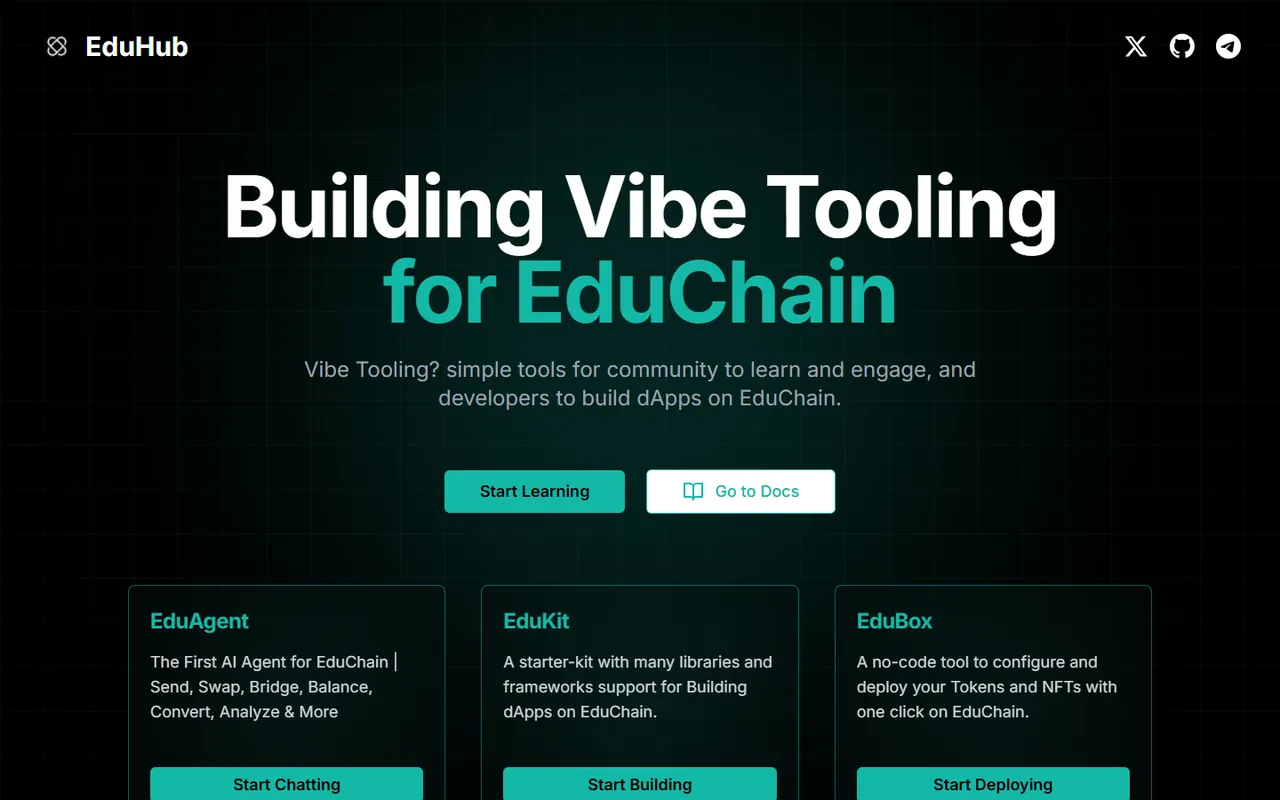
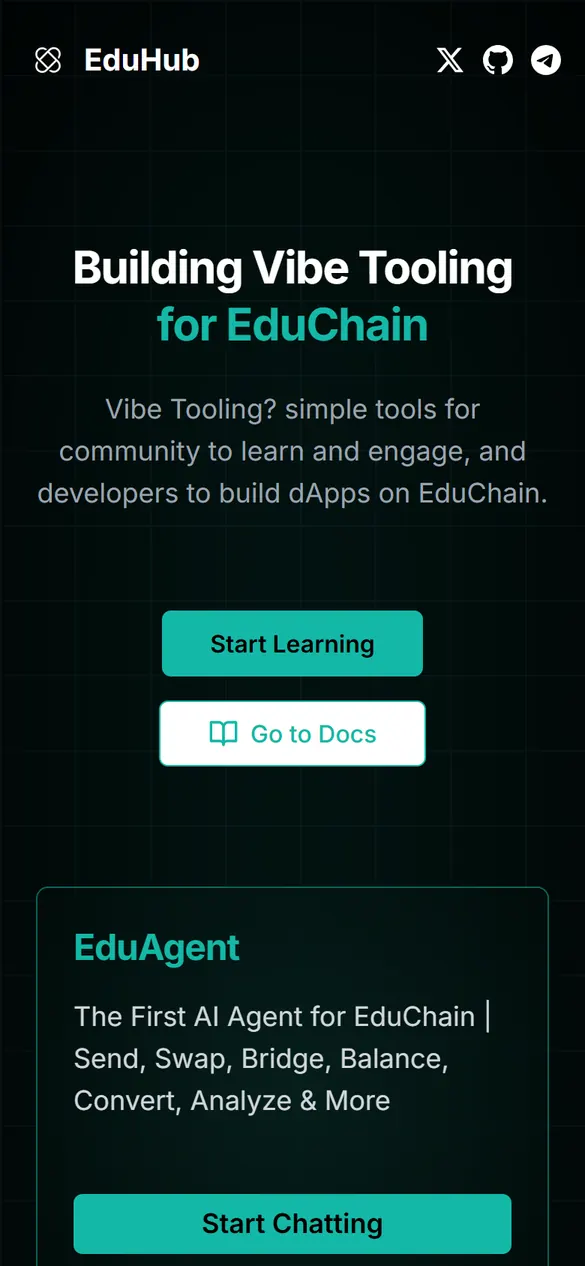
EduHub
A developer platform for EduChain, built and run by Safock: an AI agent, a dApp starter kit and a no-code token deployer.
- On-chain AI agent
- No-code token deployer
- npm dApp starter kit
10M+Mainnet transactions
/ FAQ
Questions buyers ask us
Should we start with a website, a web app or a mobile app?
Start where your customers already act. If they buy or log in from a laptop, a fast web app reaches them on every device at once. Add native mobile apps when you need push notifications, offline use or app-store presence. Because our apps share one backend, adding mobile later reuses the accounts, data and business rules you already have.
Can our team keep using WordPress?
Yes. We can keep WordPress, or another CMS, as the place editors write and publish, and build a separate fast front end that reads from it. That is how the online school rebuild worked: editors kept WordPress while payments and course access moved to Next.js, PostgreSQL and Stripe. Your content team does not need to learn a new tool.
Will a rebuild hurt our Google rankings?
A rebuild carries risk when URLs change without redirects or when metadata is lost. Before launch we crawl the current site, map every URL to its new address, set permanent redirects and carry titles, descriptions and structured data across. After launch we monitor Search Console for errors and fix them quickly.
Which payment gateways can you integrate?
We have shipped Stripe in production, including subscriptions and course access for an online school with learners in 50+ countries. For Pakistan and the GCC we integrate the local gateway or bank your market requires, provided it has a documented API. The gateway is chosen during discovery, based on your customers' countries and currencies.
How long does a web or mobile app take to build?
It depends on scope: the number of user roles, payment rules, integrations and whether native apps ship at launch. After discovery we send a timeline with milestones and a fixed price. We build in short sprints with a demo at the end of each, so you see working screens early instead of waiting for one big reveal.
Who hosts the site, and who owns it?
You own the code, the domain and the hosting accounts. We set up hosting in your account, configure deployment and backups, and harden security as part of launch. Documentation covers how to deploy, how to edit content and how the data is structured, so another team could take over if you ever wanted that.
/ Related
Often paired with
- /01Custom software development
Custom software development
CRMs, ERPs, portals and internal tools shaped to your process, with access rules in the database and code you own.
- CRMs shaped to your sales process
- ERP and operations modules
- Client, vendor and partner portals
- /02Systems integration and API development
Systems integration
We connect payments, Google Workspace, Microsoft 365, ERPs and CRMs with APIs and webhooks that stay correct under real traffic.
- Payment gateway integration
- Google Workspace and Microsoft 365
- ERP and CRM connections
- /03LMS development
LMS development
Learning platforms with your access rules, SCORM and xAPI, gated exams, verifiable certificates, company admin areas and payments.
- Course access and commerce
- SCORM and xAPI support
- Quizzes and gated exams
- /04AI chatbot development
AI chatbot development
Custom AI chatbots for your website, WhatsApp, Slack or Teams that answer from your documents and show their sources.
- Website support chatbot
- Internal knowledge assistant
- WhatsApp chatbot
/ Next step
Tell us what your site or app has to do
Tell us what you are working on. You will speak with a founder, and you will leave the call with a clear next step, even if that step is not us.
Prefer writing? Send us a brief and a founder will reply.