Systems integration and API development
Systems integration and API development for the software you already run
Systems integration and API development is the work of making separate software share data reliably, so a payment, an order or a new employee appears correctly in every system that needs it. Safock does this for finance and operations teams who spend hours reconciling a CRM, an accounting tool and a payment gateway that disagree. We connect payment gateways, Google Workspace, Microsoft 365, ERPs and CRMs, and write webhook handling that stays correct when events arrive twice, late or out of order.
/ The problem
What this fixes
- 01
Your systems disagree with each other
The CRM shows an invoice as paid, accounting shows it as open, and the customer has already been sent a reminder. Someone spends Friday reconciling by hand.
- 02
Webhooks drop events or process them twice
A payment provider retries a notification, your system treats it as new, and a customer gets two receipts or two course enrolments. Or the event never arrives and nobody knows.
- 03
Every new tool brings another password
Staff juggle separate logins for each system. When someone leaves, IT has to remember every account to close.
- 04
An API change breaks things quietly
A vendor updates its API, a field moves, and records stop syncing. The gap shows up weeks later in a report that does not add up.
/ What we build
Systems integration, built for your systems
- 01
Payment gateway integration
Checkout, subscriptions, refunds and reconciliation with Stripe and with local gateways in Pakistan and the GCC, working from each gateway's API and sandbox.
- 02
Google Workspace and Microsoft 365
Integrations with Gmail, Calendar, Drive and Sheets through Google's APIs, and with Outlook, Teams and SharePoint through Microsoft Graph.
- 03
ERP and CRM connections
Read and write links to ERPs such as SAP Business One, SAP S/4HANA, Odoo, Oracle NetSuite and Microsoft Dynamics 365, and to the CRM your sales team uses.
- 04
Custom APIs
REST or GraphQL APIs for your own systems, with authentication, rate limits, versioning and documentation other developers can build against.
- 05
Data sync and migration
One-off migrations and ongoing sync between systems, with clear rules for which system owns each field and what happens when two disagree.
- 06
Single sign-on
SAML or OpenID Connect sign-in through Google Workspace or Microsoft Entra ID, so one company account opens the systems staff need.
/ How it works
The detail behind it
Webhooks built for retries, duplicates and late events
Payment providers and SaaS tools send webhooks with at-least-once delivery. The same event can arrive twice, and events can arrive in a different order from the one in which they happened. Integration code that assumes otherwise works in testing and fails in production.
We built this handling into a development agency's operations platform, where work flows from deal to client, project, time, invoice and Stripe settlement on Next.js, TypeScript, Supabase and PostgreSQL. Stripe webhooks report paid, failed, partially refunded and disputed states. Idempotency keys on every state change make duplicate events harmless, and a small state machine decides which status transitions are allowed, so repeated, late and out-of-order events all end on the true final state.
- Signature checks on every incoming webhook before anything is processed
- Stored event IDs, so a repeated event is recognised and skipped
- A fast acknowledgement, with the real work done in a background job
- Retries with back-off when a downstream system is unavailable
- Current state fetched from the source API when event order matters
- A daily reconciliation job that catches anything a webhook missed
Replace the part that fails and connect it to the parts that work
Integration often means swapping out one system while the rest stay. An online school from a leading hairstyling-education brand, with 180,000+ learners in 50+ countries and 250+ video courses, had payments and course access that no longer kept up. Safock rebuilt those two parts on Next.js, TypeScript, PostgreSQL, GraphQL and Stripe and connected them to the WordPress site the content team already used.
Before the rebuild, the support inbox kept receiving the same requests: learners charged twice, learners who paid but could not watch, and course access granted by hand. Now Stripe runs the checkout and the right courses open for that learner, while editors keep publishing in WordPress as before.
ERP integrations that read live and write only after approval
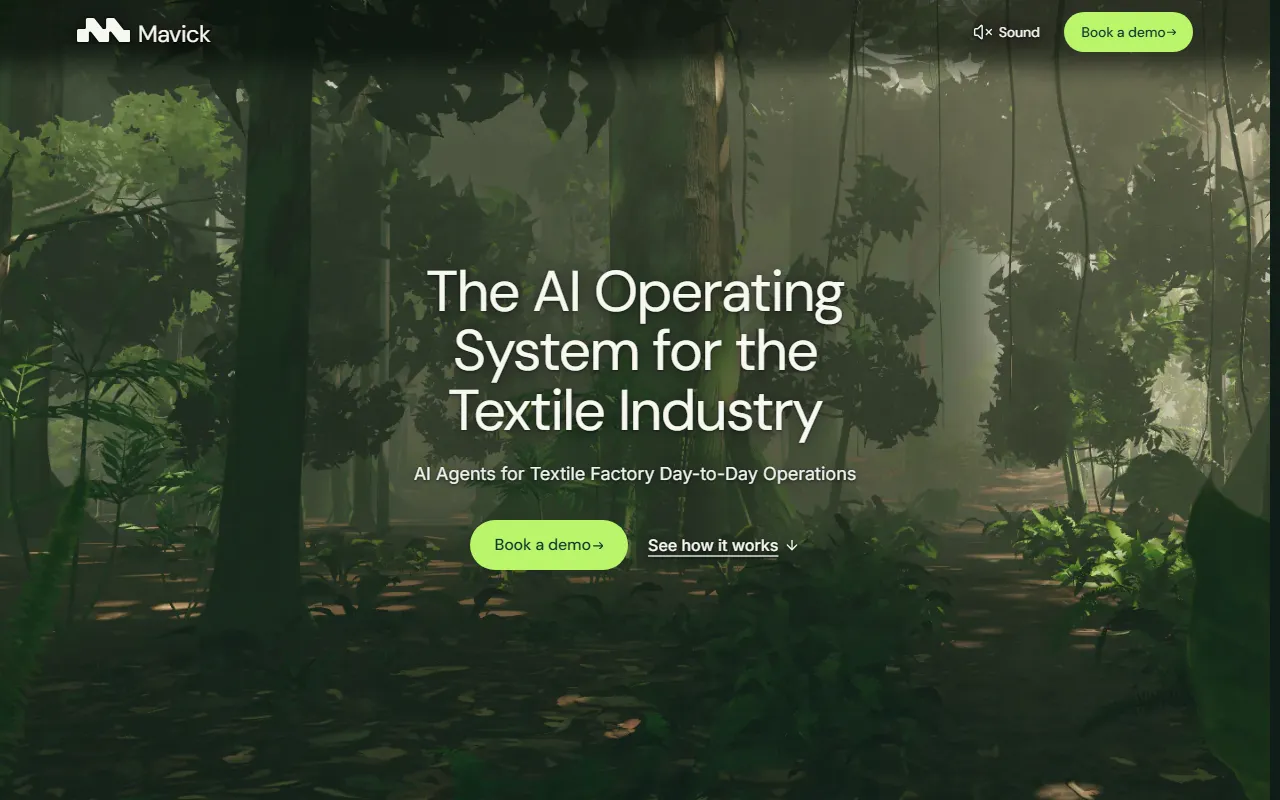
ERPs hold the records a business cannot afford to corrupt, so we treat writes with care. Mavick, Safock's AI operating system for textile factories, reads ERP data live from SAP Business One, SAP S/4HANA, Odoo, Oracle NetSuite, Microsoft Dynamics 365, WFX Cloud ERP and Datatex NOW, and writes back only after a person approves the change. It also connects to Gmail, Outlook, Google Sheets, Slack and WhatsApp Business.
For ongoing data sync we agree, before writing code, which system owns each field, which way each field flows, and how conflicts resolve (last write wins, a merge, or a queue for a person to decide). Older ERPs without a modern API can often be reached through database views, scheduled file exports or a vendor middleware layer.
Single sign-on and security
Single sign-on lets staff open every connected system with one company account from Google Workspace or Microsoft Entra ID, using SAML or OpenID Connect. When someone leaves, disabling one account closes access everywhere. We scope SSO alongside role mapping, so a person's job title decides what they can see in each system.
Security is part of the build from the first line. Secrets live in a secrets manager, API keys get the narrowest permissions possible, and integration logs avoid storing personal data they do not need. If you handle data in Saudi Arabia, we plan data residency and Saudi PDPL questions with you early.
What drives the cost of systems integration and API development
A link between two systems with good APIs and test sandboxes is a small job. An ERP sync that needs data cleanup, conflict rules and approval steps is a larger one. You see scope, milestones and pricing in the proposal, and a fixed quote follows discovery.
- How many systems are involved, and which way data flows between them
- The quality of each API, and whether a sandbox exists to test against
- Data volume and how often records need to sync
- Mapping and cleanup needed before the first sync
- Approval steps on writes to an ERP or finance system
/ How we work
From first call to a system your team runs
- 01
Discovery
We start with your workflows, goals, and constraints, so we solve the problem you actually have.
- 02
Proposal & architecture
A clear scope, timeline, milestones, and system design, with honest pricing before any build starts.
- 03
Agile delivery
Short sprints with regular demos, so you see working software early and can steer as it takes shape.
- 04
Launch
Deployment, optimization, and security hardening are included. Nothing ships unless it is safe and secure.
- 05
Support & growth
30 days to 3+ months of support after launch, with long-term maintenance available as you grow.
- 06
Your team, enabled
Documentation and training so your people can operate and extend the system on their own.
/ Proof
Work that shows how we build
- Client workProfessional services, software developmentClient work / Professional services, software development
A software development agency
One internal platform for a development agency, covering deal, project, time, invoice and Stripe settlement, in place of four SaaS tools.
- Postgres row-level security
- Idempotent Stripe webhooks
- Deal-to-settlement workflow
Read the case study - Client work180,000+Learners on the new platformOnline learning, hairstyling educationClient work / Online learning, hairstyling education
A leading hairstyling-education brand
Payments and course access rebuilt for an online hairstyling school with 180,000+ learners, while its editors kept WordPress.
- Purchase-aware course access
- Stripe payments and taxes
- WordPress kept for editors
180,000+Learners on the new platform
- mavick.si
 Our product / Textile manufacturing
Mavick
Our AI operating system for textile factories: one agent per department, cited answers, and human approval before any change to a live system.
- Department-scoped AI agents
- Human approval before writes
- Answers with citations
32Department templates
- WhatsApp-Me
 Our product / Developer tools for AI coding agents
WhatsApp-Me
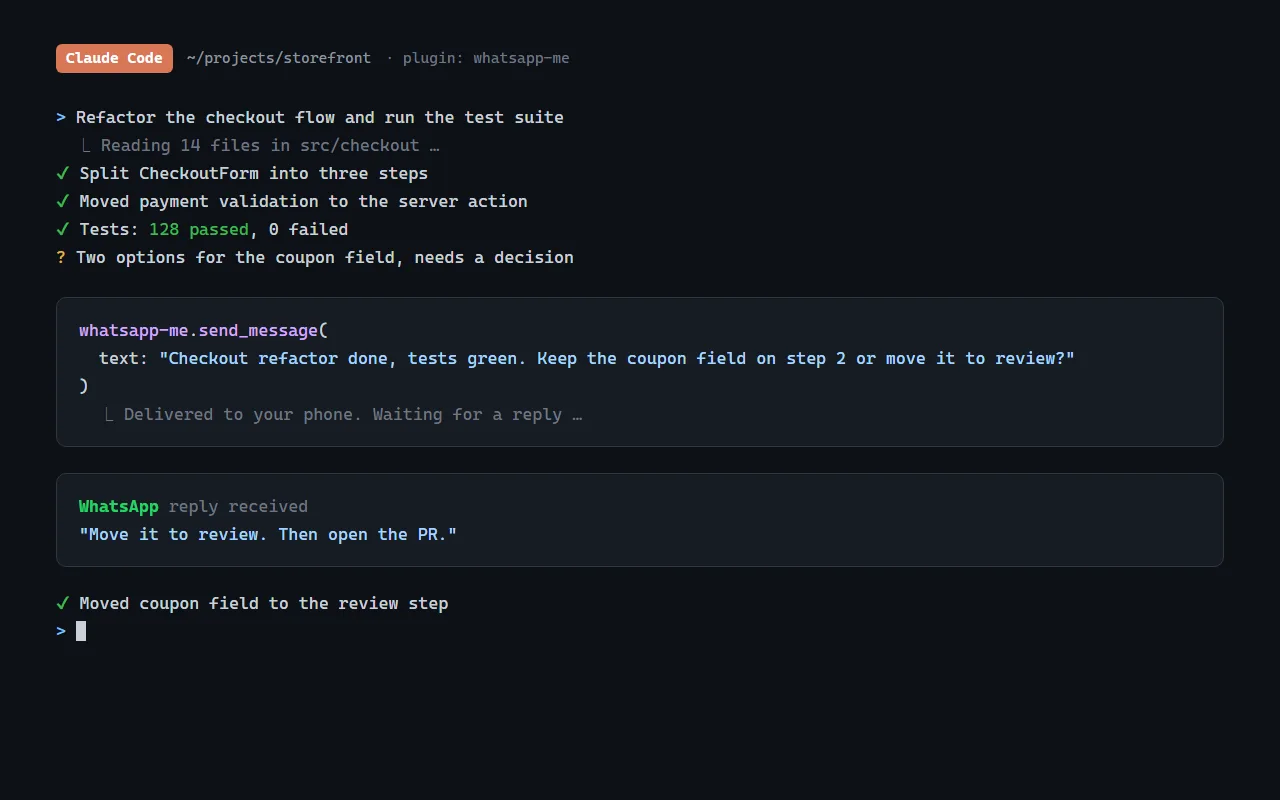
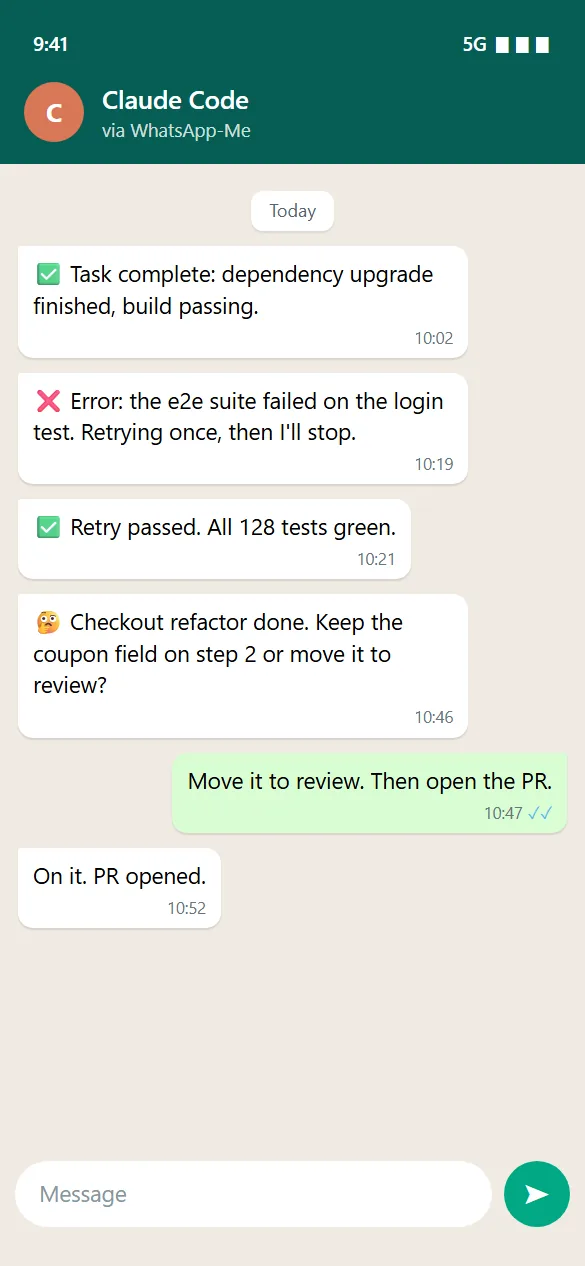
Our open-source Claude Code plugin: task alerts and questions arrive on WhatsApp, and your replies go straight back to the agent.
- Two-way WhatsApp messaging
- WhatsApp Cloud API
- MCP server tools
MITOpen-source license
- dyorai.co
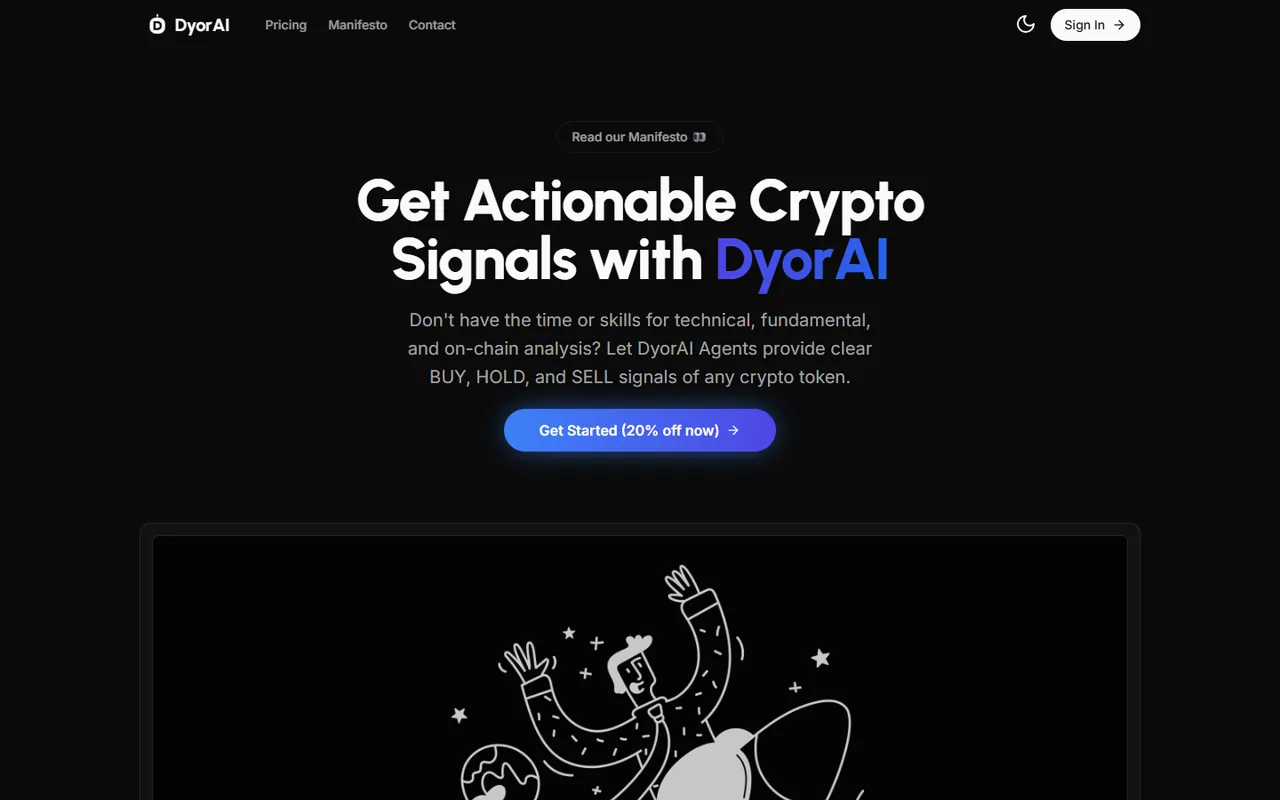
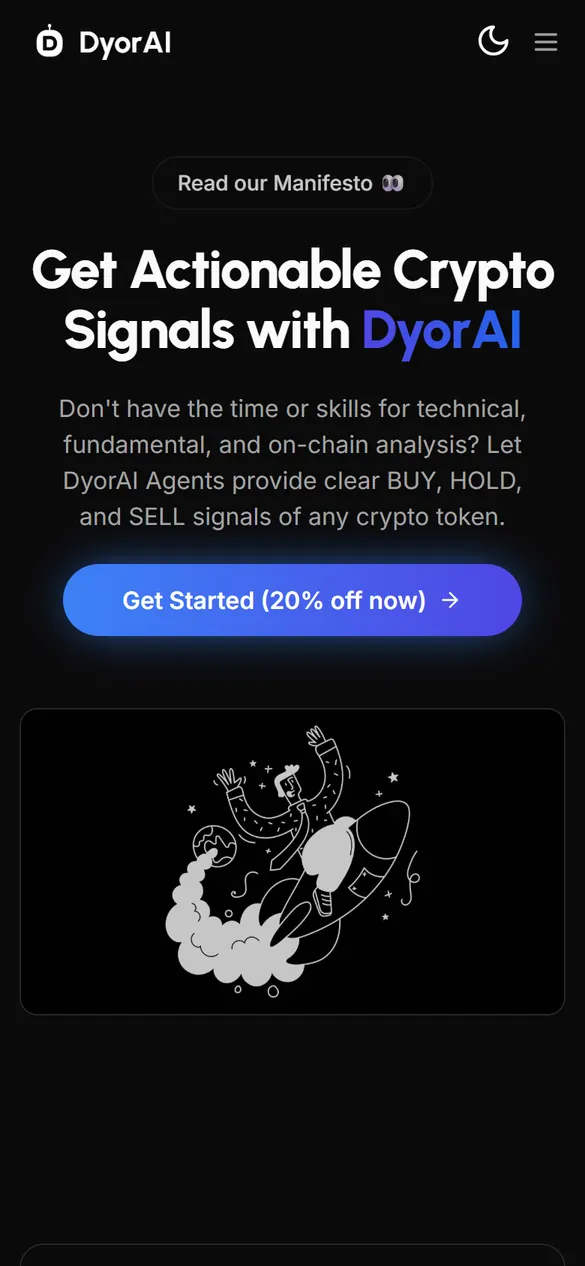 Client work / Crypto trading and market research
DyorAI
A crypto signals SaaS built and run by Safock: AI agents combine three kinds of analysis into one buy, hold or sell call.
- AI signal agents
- Real-time data feeds
- Three-layer market analysis
WeeklyMarket reports emailed to subscribers
- In-house build17Working nodes across the three templatesWorkflow automation for small businessesIn-house build / Workflow automation for small businesses
n8n workflow templates
Free n8n templates we built: website leads to Sheets and WhatsApp, overdue invoice reminders, and AI email triage with Claude.
- AI email triage
- Webhook lead capture
- Invoice reminder automation
17Working nodes across the three templates
/ FAQ
Questions buyers ask us
Can you integrate local payment gateways in Pakistan or Saudi Arabia?
Yes, where the gateway offers a documented API or hosted checkout. We work from the provider's documentation, build and test against its sandbox, then go live with signature checks and reconciliation in place. Some local gateways have thinner documentation or no webhooks, in which case we add scheduled status checks so payments are confirmed reliably. Gateway onboarding and merchant approval stay with your business.
How do you stop webhooks creating duplicate charges or records?
Every incoming event is verified, and its ID is stored before processing. If the same event arrives again, the handler recognises it and skips it. Work that changes records runs as an idempotent job, so a retry produces the same result as the first attempt. A daily reconciliation compares your records with the provider's and flags anything that slipped through.
Our ERP has no modern API. Can you still connect to it?
Often, yes. Depending on the system, we can read from database views, process scheduled exports, use the vendor's middleware, or connect through an on-premise agent. We assess the options during discovery, explain the trade-offs in speed and reliability, and recommend the safest route. Writes to an older ERP usually go through an approval step first.
Do you set up single sign-on?
Yes. We connect your systems to Google Workspace or Microsoft Entra ID using SAML or OpenID Connect, and map roles so each person sees what their job requires. Some SaaS tools only offer SSO on higher-priced plans, so we check each one during scoping and tell you where an upgrade would be needed.
Who owns the integration code, and where does it run?
You own it. The code sits in your repository with full documentation, and it runs in your cloud account or on infrastructure you choose. Credentials stay in your secrets manager. If another team takes over maintenance later, the runbook and API documentation give them what they need to start.
How long does a systems integration project take?
It depends on the number of systems, how quickly we get sandbox and production access, and how clean the data is. A link between two systems with good APIs moves quickly. ERP work with data cleanup and approval steps takes longer. Milestones are set in the proposal after discovery, and you see working integrations in sprint demos along the way.
/ Related
Often paired with
- /01Workflow automation services
Workflow automation
We map your approvals, invoicing, onboarding and reporting, then automate them with low-code tools or custom code you own.
- Approval workflows
- Invoicing and payment follow-up
- Employee and client onboarding
- /02Custom software development
Custom software development
CRMs, ERPs, portals and internal tools shaped to your process, with access rules in the database and code you own.
- CRMs shaped to your sales process
- ERP and operations modules
- Client, vendor and partner portals
- /03AI agent development
AI agents
Custom AI agents that read your data, use your tools, and ask a person before they change anything.
- Task agents
- Department agents
- Retrieval over company data
- /04n8n automation agency
n8n automation
Self-hosted n8n on your cloud, with workflows, AI agents, monitoring and Zapier or Make migrations built and maintained by Safock.
- Self-hosted n8n setup
- Workflow development
- AI agent workflows
/ Next step
Show us the systems that disagree and we will plan how to connect them
Tell us what you are working on. You will speak with a founder, and you will leave the call with a clear next step, even if that step is not us.
Prefer writing? Send us a brief and a founder will reply.